
Squatting Toilet Stools and the Moo Method: A Better Way to Poop Naturally
If you struggle with constipation, incomplete bowel movements, bloating, or straining, the problem may not be your diet — it may be how you’re pooping.
Modern toilets place the body in a position that works against natural elimination. Pairing a squatting toilet stool with a simple breathing technique called the Moo Method can dramatically improve comfort, ease, and completeness of bowel movements.
In this article, we’ll explain:
Why modern toilets make pooping harder
How squatting toilet stools improve elimination
What the Moo Method is and how it works
Who benefits most from this technique
Why Modern Toilets Disrupt Natural Elimination
Humans evolved to poop in a squatting position. Squatting naturally aligns the rectum, relaxes the pelvic floor, and allows stool to pass with minimal effort.
Modern sitting toilets change this alignment.
When sitting upright:
Knees stay lower than hips
The pelvic floor remains partially engaged
The anorectal angle stays bent
This creates what’s commonly described as a “kink in the hose”, making stool harder to pass and increasing the need to strain.
Over time, this can contribute to:
Chronic constipation
Incomplete evacuation
Pelvic floor tension
Hemorrhoids
Sluggish gut motility
What Is a Squatting Toilet Stool?
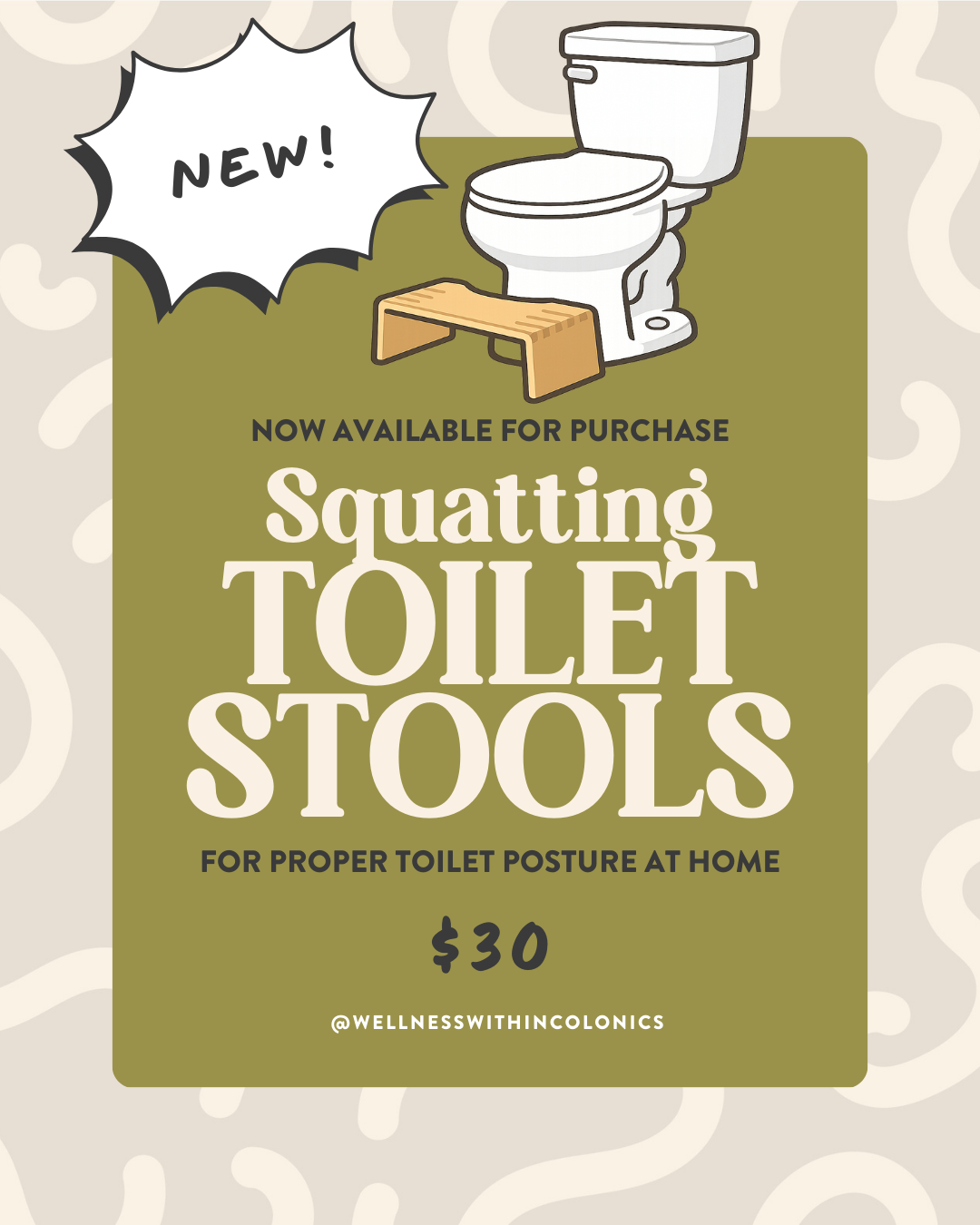
A squatting toilet stool is a small footstool placed at the base of the toilet that elevates the feet during bowel movements.
By raising the feet:
Knees move higher than hips
The body shifts into a partial squat
The anorectal angle straightens
This positioning allows stool to pass more easily and naturally — often with less time on the toilet and less strain.
Why Position Alone Isn’t Always Enough
While a squatting toilet stool dramatically improves alignment, many people still struggle because of pelvic floor tension or poor coordination.
This is where the Moo Method comes in.
What Is the Moo Method?
The Moo Method is a simple breathing and vocalization technique designed to help the pelvic floor relax during a bowel movement.
Instead of pushing or straining, the Moo Method uses:
Deep diaphragmatic breathing
Gentle sound vibration
Nervous system relaxation
Together, these help create downward pressure without force.
How the Moo Method Works
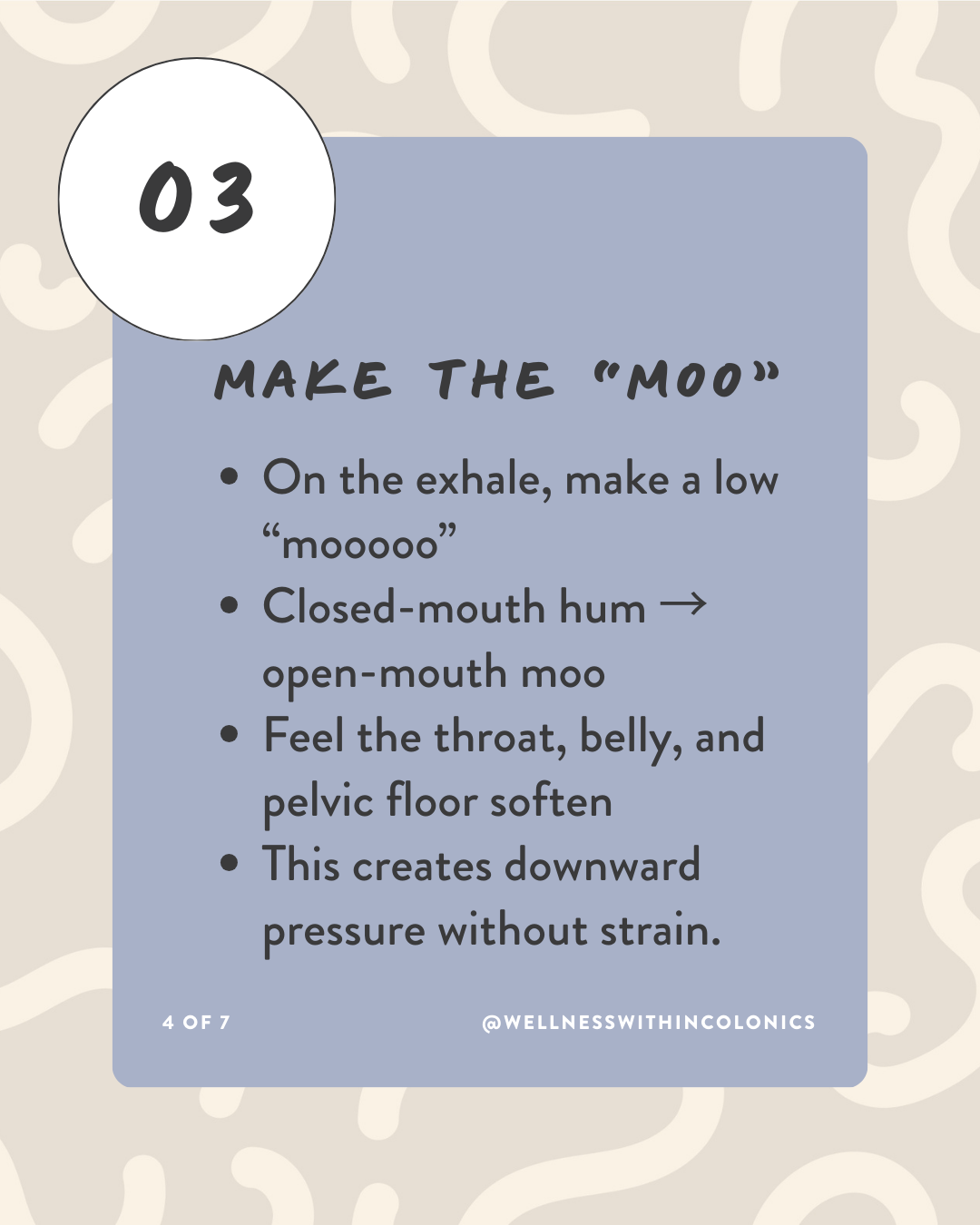
When you make a low “moo” sound:
The throat relaxes
The diaphragm moves downward
The pelvic floor naturally drops
This coordination supports peristalsis, the wave-like muscle contractions the colon uses to move stool.
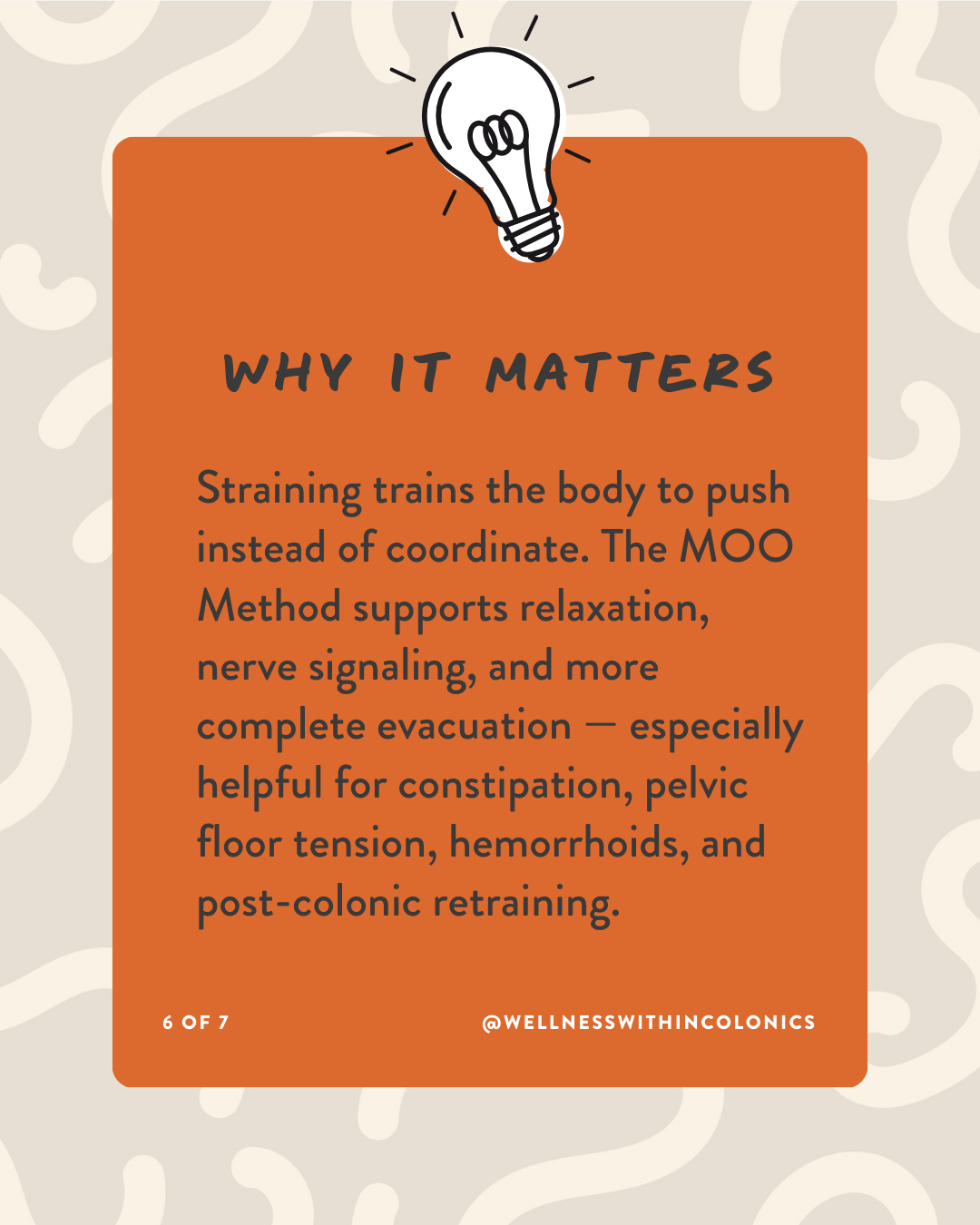
Straining does the opposite — it tightens the pelvic floor and teaches the body to rely on force instead of coordination.
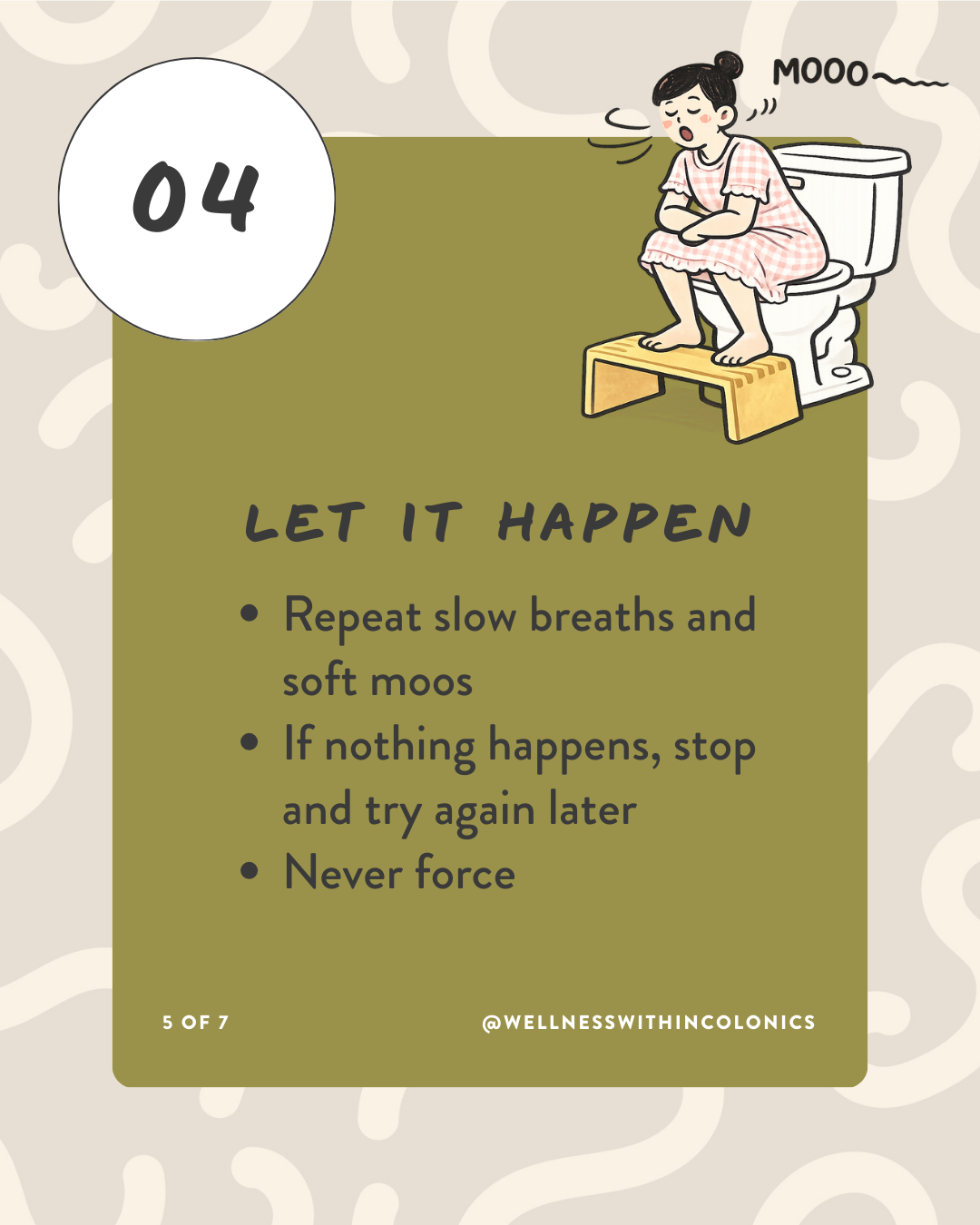
How to Use the Squatting Toilet Stool + Moo Method Togethe
For best results:
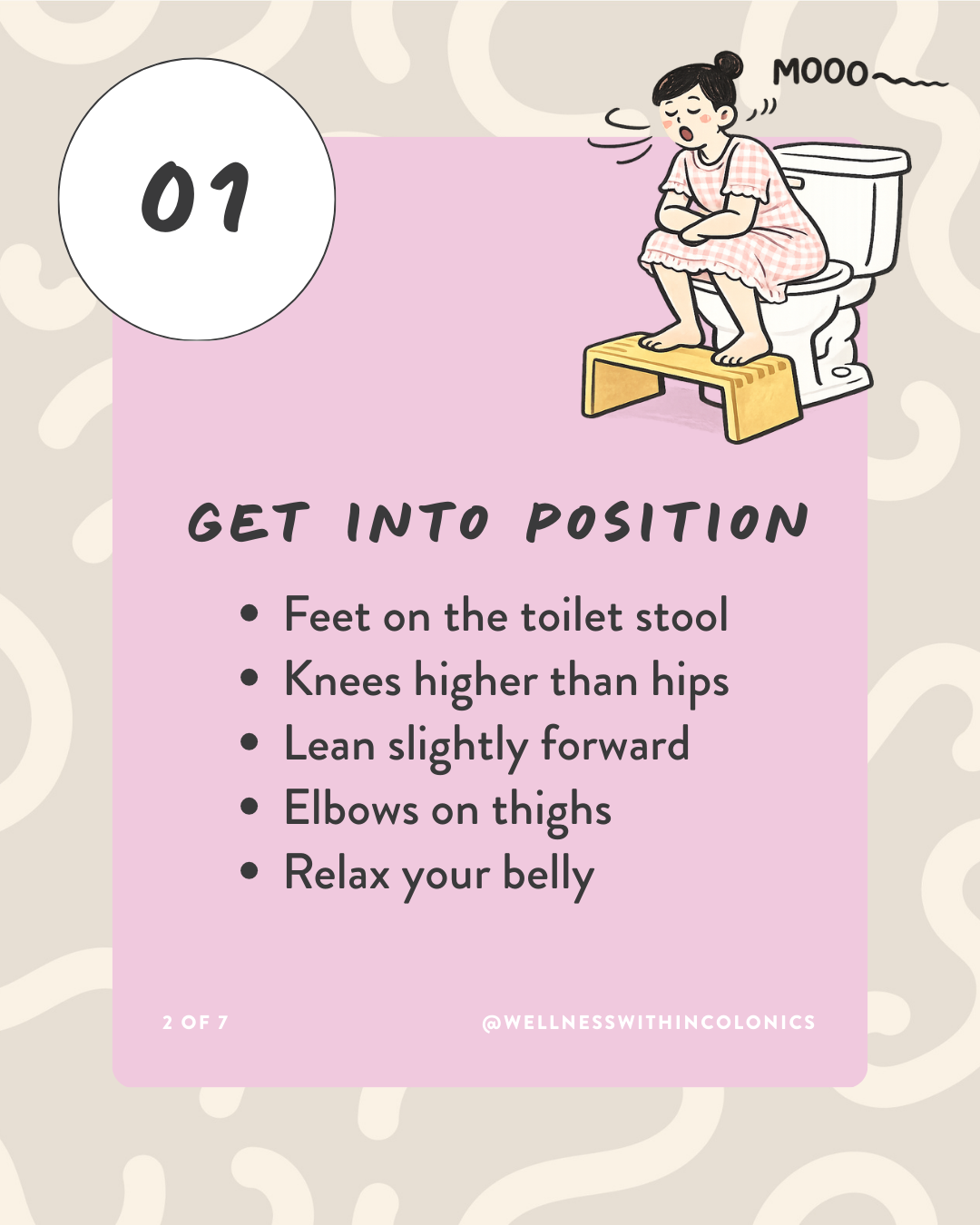
Place your feet on a squatting toilet stool
Allow knees to rise higher than hips
Lean slightly forward with elbows on thighs
Relax the belly (do not pull it in)
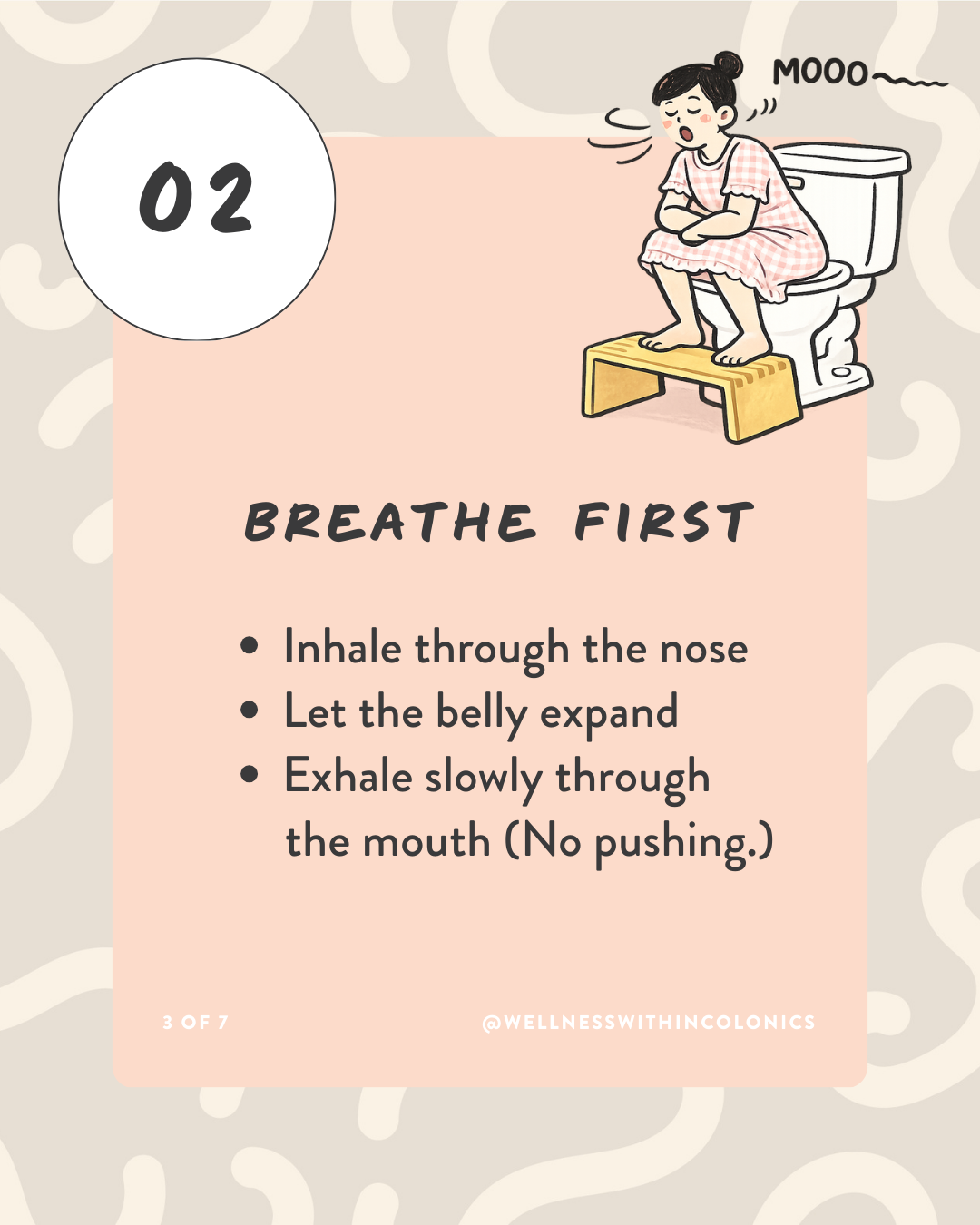
Inhale slowly through the nose
Exhale through the mouth while making a soft, low “mooooo” sound
Repeat slow breaths and gentle moos
Never force — if nothing happens, stop and try again later
This combination allows gravity, alignment, and breath to do the work.
Benefits of the Moo Method for Constipation and Pelvic Floor Health
The Moo Method is especially helpful for people with:
Chronic constipation
Incomplete bowel movements
Pelvic floor dysfunction
History of straining
Hemorrhoids
Post-colonic retraining
Over time, this technique can help retrain the brain–gut connection and encourage more natural elimination patterns.
Preventative Digestive Care Starts with Elimination
Constipation and incomplete evacuation rarely happen overnight. They develop slowly, often over years of stress, dehydration, poor posture, and nervous system dysregulation.
Using a squatting toilet stool and the Moo Method is a form of preventative digestive care — addressing elimination mechanics early instead of waiting for discomfort, dependence on laxatives, or more serious complications.
A Simple Shift with Big Impact
Neither a squatting toilet stool nor the Moo Method forces the body to do anything unnatural. They simply remove barriers that modern life has introduced.
Sometimes the most effective health changes aren’t complicated — they’re just more aligned with how the body works.
Not medical advice—just educational info from real experience. Always do your own research and talk to your provider.