
You carry your water bottle everywhere. You refill it throughout the day, make sure you're drinking plenty, and probably spend more time in the bathroom than you'd like. Yet your skin still feels dry, your energy isn't great, and your digestion seems a little sluggish.
How can that be when you're drinking so much water?
We've all heard that staying hydrated is important, but there's more to hydration than simply counting how many glasses of water you drink.
Your body needs water, but it also relies on minerals called electrolytes to maintain the right fluid balance inside and outside your cells. Understanding how they work together can help you make better choices about hydration, digestion, and your overall health.
Drinking water is important, but your cells need minerals, too.
Think about how often we're told to drink more water. Feeling tired? Drink water. Have a headache? Drink water. Feeling constipated? You probably need more water. Sometimes that's exactly what your body needs. But hydration also depends on maintaining the right balance of electrolytes.
Electrolytes are minerals that carry an electrical charge when dissolved in fluid. Some of the most important include sodium, potassium, magnesium, and chloride. These minerals help regulate fluid balance, support muscle contractions, and allow your nerves to communicate. They also play important roles in how water moves between different areas of your body.
For example, sodium helps regulate fluid outside your cells, while potassium is especially important for fluid balance inside your cells. Your body carefully manages these minerals to keep everything functioning properly. This is what people are referring to when they talk about hydration at the cellular level. You can drink plenty of water, but if you've lost significant amounts of electrolytes through heavy sweating, vomiting, or diarrhea, replacing water alone may not fully address those losses.
For most people going about their normal day, a balanced diet and regular water intake provide what they need. But during hot weather, intense exercise, or illness, electrolyte replacement can become especially helpful.
The goal is to give your body the water and minerals it needs to maintain a healthy balance.
Your skin is often one of the first places you notice changes in hydration.
Have you ever noticed that your skin looks a little dull or tired after a long day outside, traveling, or simply forgetting to drink enough?
When your body is dehydrated, your skin can temporarily lose some of its plump appearance. Fine lines may look more noticeable, and your skin may feel less supple. Proper hydration helps support normal skin function and elasticity. When you're adequately hydrated, your skin may appear smoother and a little fuller.
Of course, drinking water won't erase wrinkles or replace a good skincare routine. Skin appearance is influenced by age, hormones, sun exposure, and the natural oils that help protect its surface. But maintaining good hydration supports the skin from the inside. Water helps transport nutrients throughout your body, while electrolytes help maintain the fluid balance your cells need.
You can also support hydration by eating foods with a high water content, such as cucumbers, watermelon, oranges, and strawberries. These foods provide water along with vitamins and minerals, making them a simple addition to your daily routine. And if you've been relying on coffee all morning and forgetting about water until dinner, keeping a glass nearby can be an easy habit to change.
Your colon needs water to keep things moving comfortably.
Let's talk about something that doesn't always get enough attention: constipation.
Your large intestine, also called your colon, has an important relationship with water. As digested material moves through your colon, water is absorbed back into your body. This is a normal and necessary part of digestion. But when stool moves too slowly through the colon, more water can be absorbed from it. The stool becomes harder and drier, making bowel movements more difficult. This is one reason adequate hydration is important for bowel regularity.If you're not drinking enough fluids, your body may have less water available to keep stool comfortably soft.
Hydration is especially important when you're increasing your fiber intake. Fiber helps add bulk to stool, and certain types absorb water, helping support softer, easier bowel movements.Without adequate fluid intake, suddenly adding large amounts of fiber can leave you feeling even more bloated or uncomfortable.
Movement also plays a role. Something as simple as taking a walk after a meal can help encourage normal intestinal activity. The goal is consistency. Drinking fluids regularly, eating fiber-rich foods, and staying active can all help support comfortable digestion.
Better hydration starts with a few simple daily habits.
You don't need to carry around an enormous water bottle or force yourself to drink gallons every day. Start by paying attention to how much you're drinking and how you feel. Thirst is one helpful signal, and urine that's generally pale yellow can be another indication that you're getting enough fluids. Your needs will vary depending on your activity level, the weather, your diet, and your overall health. Try starting your morning with a glass of water, especially if you tend to reach for coffee first. Keep water available throughout the day rather than waiting until you're extremely thirsty.
Include mineral-rich foods such as leafy greens, beans, nuts, seeds, potatoes, and fruit. These provide potassium, magnesium, and other nutrients that support normal fluid balance.
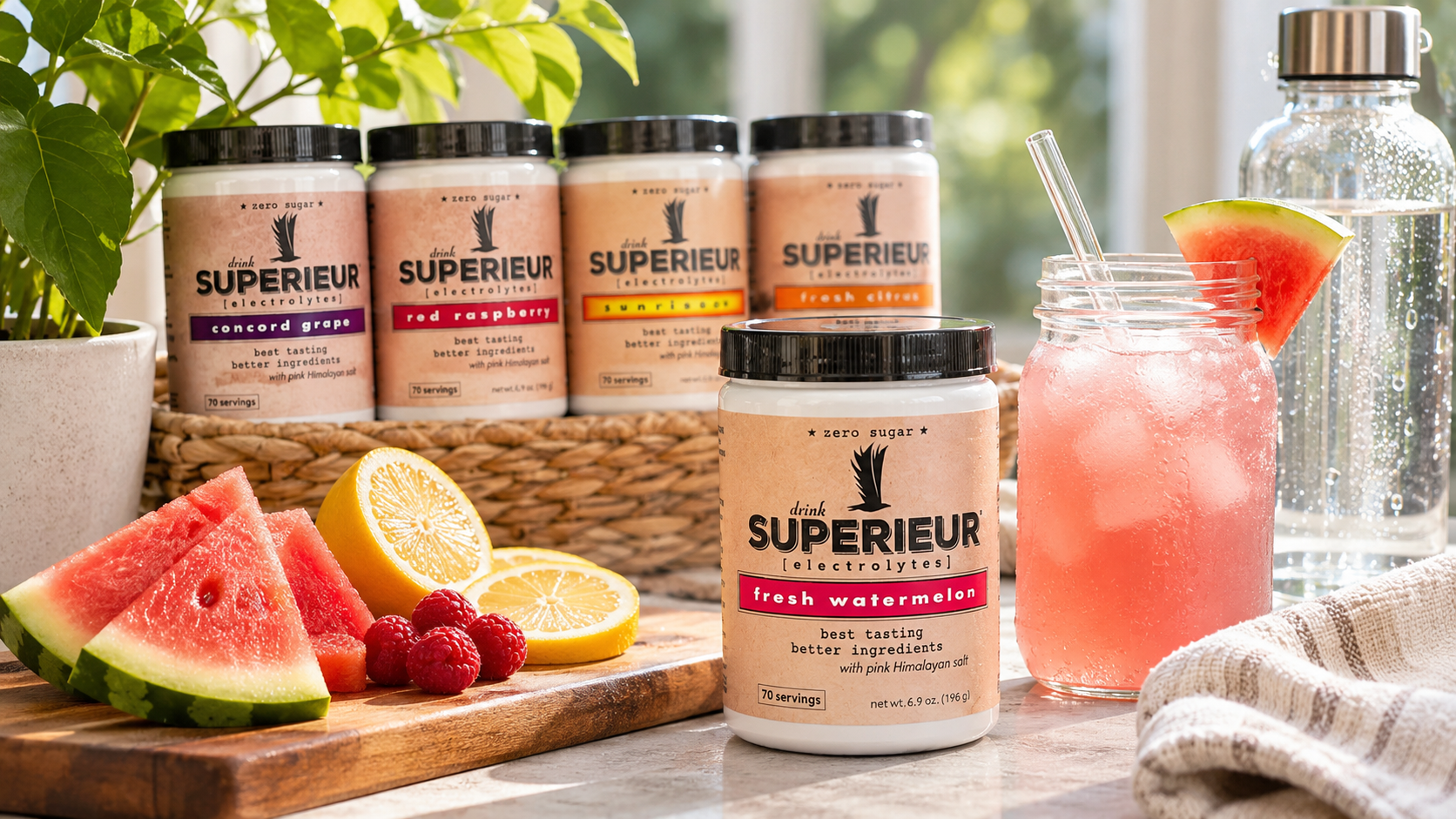
If you're sweating heavily during exercise or spending hours outside in the heat, an electrolyte drink may be useful. Look at the ingredients and mineral amounts rather than assuming every product offers the same benefits. Sugar, sugar substitutes and “other ingredients” can be very sneaky.
You can also make hydration more enjoyable by adding fresh lemon, berries, or cucumber to your water. Small habits are often easier to maintain than complicated routines.
At Wellness Within, we encourage people to pay attention to the everyday habits that support digestive comfort and overall well-being.
Hydration is one of those simple foundations that can influence how you feel, how your skin looks, and how comfortably your digestive system functions.
A little more attention to how you hydrate may make a noticeable difference in how you feel throughout the day.
For educational purposes only. Not intended to diagnose, treat, or cure any condition or replace individualized medical advice.